Category
Aging In Place
Page 23 of 29

Staying engaged in the face of Alzheimer's
Recently, NPR touched on the challenges of day-to-day Alzheimer's care while still impressing the point that men and women with this condition can still lead full and rewarding lives.
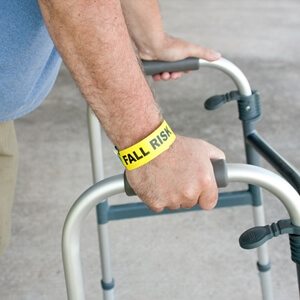
Researchers break ground on fall sensors for older adults
Scientists from the University of Utah released information about a new system of electronic sensors that may be able to detect if a fall has taken place.

Review explores potential of smartphones and tablets to expand remote monitoring capabilities
Advancements in remote technology have made it easier than ever for us to stay connected with one another, making geographic limitations a thing of the past. This ability can be leveraged in a number of different arenas, from maintaining personal relationships to bolstering outpatient care.

Enticing undecided older adults with telecare
Between attracting new clientele in an increasingly competitive marketplace and navigating a minefield of budget cuts and staff shortages, the challenges of this rewarding but undoubtedly overwhelming line of work continue to stack up.

PBS piece on aging in NYC calls for celebration of older adults
Thanks to improvements in eldercare, including better medical treatment and innovations like telecare, Americans are living longer than ever, and a touching and appropriately timed PBS piece recently highlighted a need to view this population in a different way.

Study shows connection between emotional trauma and fall risk
While it is not your position to provide medical treatment for the older adults you care for, it is in your power to observe and act on changes in their condition.

Eldercare community improves quality of life through "virtual visits"
One method that a growing number of eldercare providers are turning to is the introduction of telecare services including video chat capabilities.

Record-breaking swimmer Diana Nyad shows age truly is just a number
What is it about Nyad's story that has struck such a chord across the country?

British woman founds helpline for older adults to combat social isolation
Though the vast majority of older adults today prefer to age in place over transition to a specialized eldercare community, this option presents many distinct challenges - especially for men and women without an extensive support network.
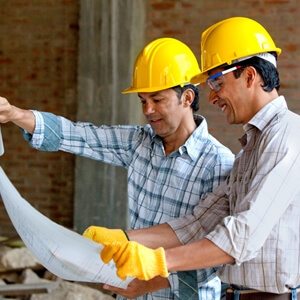
Why should you introduce telecare during preconstruction?
In this increasingly competitive marketplace, eldercare communities must find new ways to distinguish themselves from the pack to bolster occupancy rates, all while ensuring that their facilities can provide quality care to each resident.
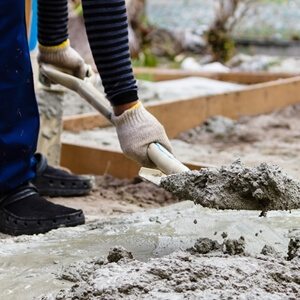
Addressing older adult needs from the ground up
When it comes to assisted living communities and other facilities geared toward older adults, that means incorporating new eldercare innovations from the ground up.

Improving "quality-adjusted life expectancy" with telecare
University of Massachusetts Medical School (UMMS) associate professor Dr. Allison Rosen expanded on the details of "quality-adjusted life expectancy" (QALE) and how it has transformed over the years.

Study sheds further light on dementia risk
An awareness of the particular risks certain older Americans may face can play an important role in successful care.

America celebrates National Senior Citizens Day, recognizing older adults everywhere
Independa's powerful eldercare technology allows older adults everywhere to remain as independent and engaged as the Society Hill Dance Academy members who danced their way around Rittenhouse Park last week.

PBS NewsHour: Older adults found organization to support independent living in the city
Aging in place is by far the most popular means of spending retirement among today's older Americans, but issues like social isolation and the possibility that someone's condition will deteriorate out of sight can make this option a somewhat concerning one.