Category
Technology
Browse all posts in Technology.
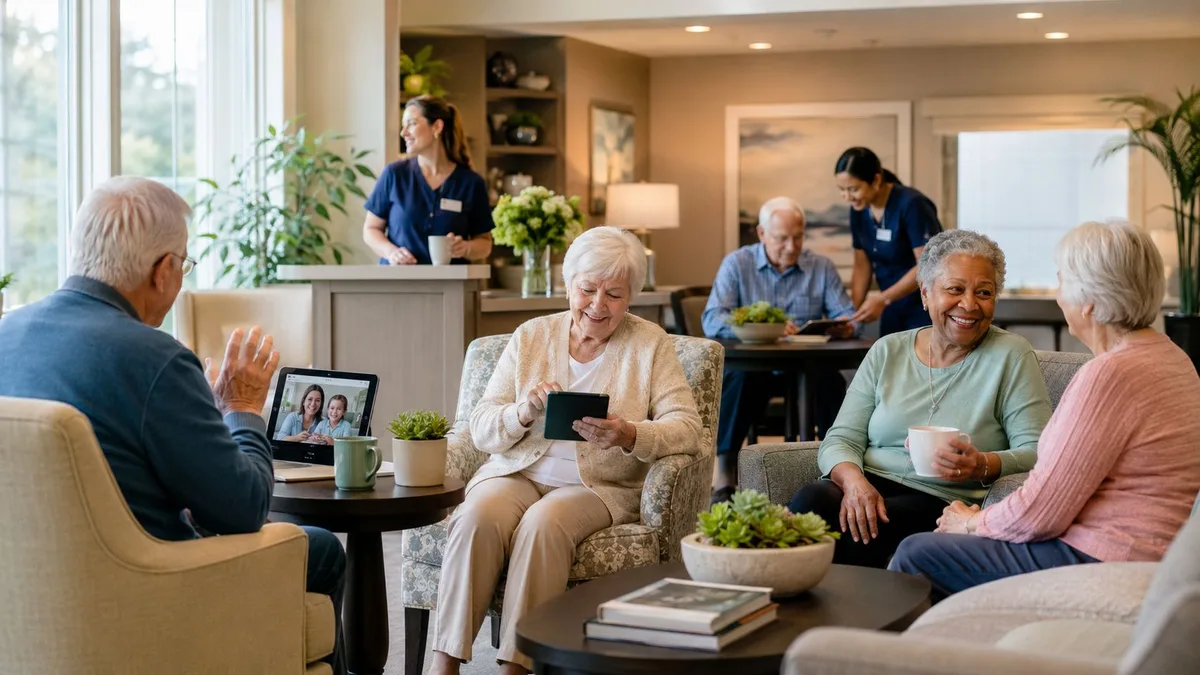
10 Ways Senior Living Communities Can Make Life Easier for Residents Without Adding More Work for Staff
Senior living communities can improve the resident experience without creating more work for staff by using technology that makes information, communication, schedules, and services easier to access through devices residents already use.

Home Care Platform Buyer's Guide: Capabilities, Questions, and Implementation Criteria
A home care platform should fit the client population, agency workflow, family communication model, security requirements, and support capacity. Procurement should test complete use cases rather than rely on feature lists.
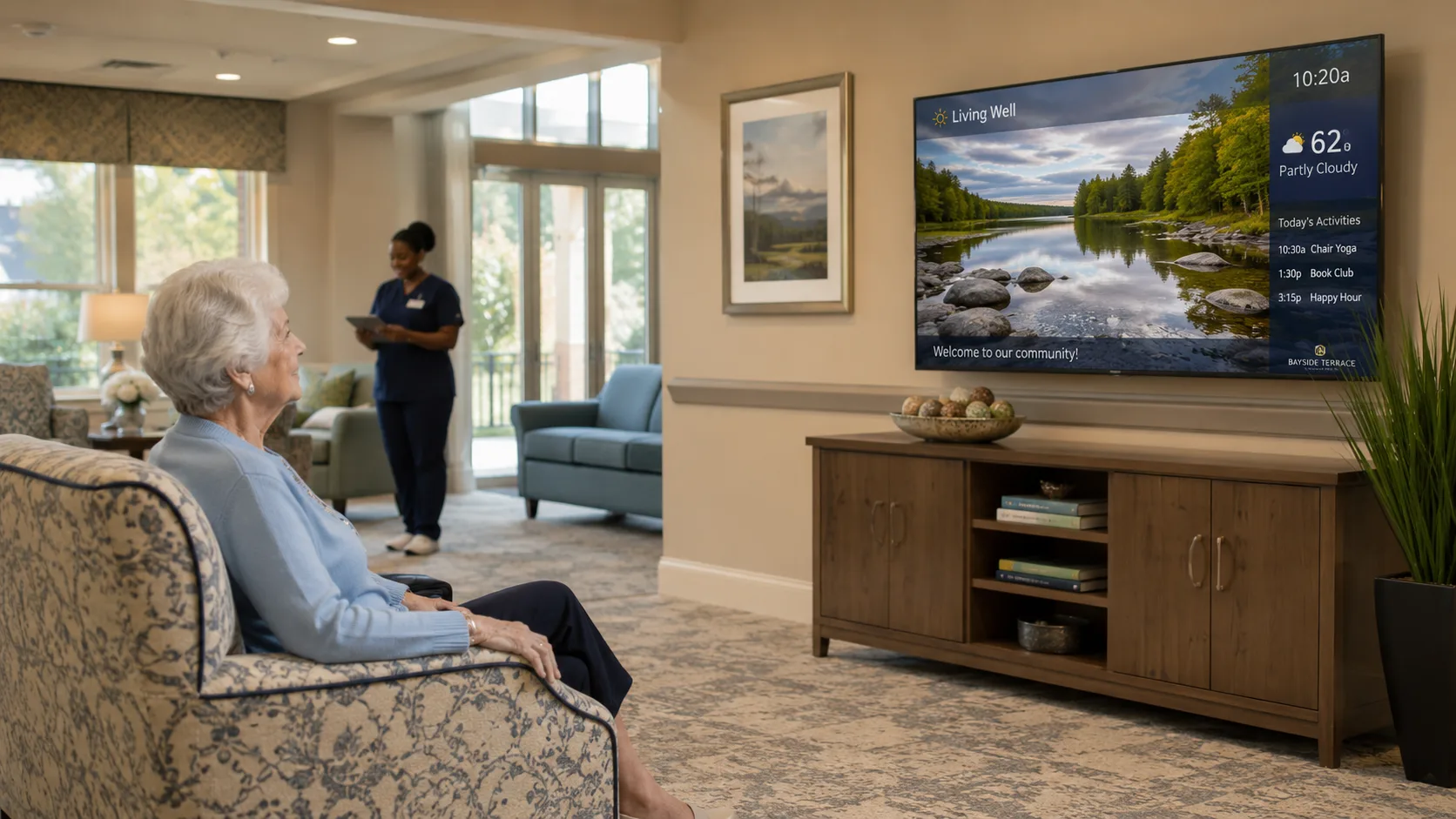
Truly Understanding the Role of "Care" in the Real Estate World of Senior Living
Many tech companies take a "if we build it, they will come" approach to senior living. This simply doesn't work — because senior living operators are first and foremost real estate businesses, not care institutions.
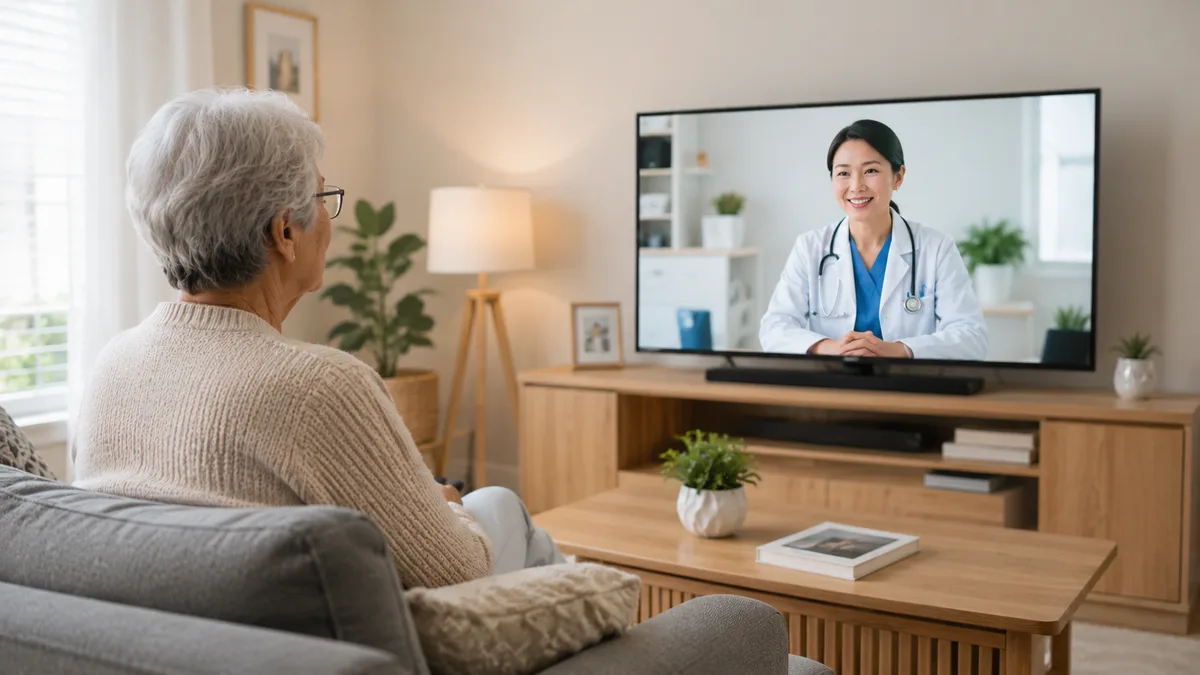
Home Health Engagement Between Visits: What Agencies Need From a Digital Platform
A home health engagement platform should help patients reach instructions, clinicians, education, reminders, and approved remote services between visits. It must preserve clinical accountability, privacy, documentation, and staff workflow.

Home Care Technology That Keeps Clients, Families, and Care Teams Connected
Home care technology gives agencies a structured way to communicate with clients and families, distribute useful information, support remote engagement, and coordinate selected services between in-person visits.
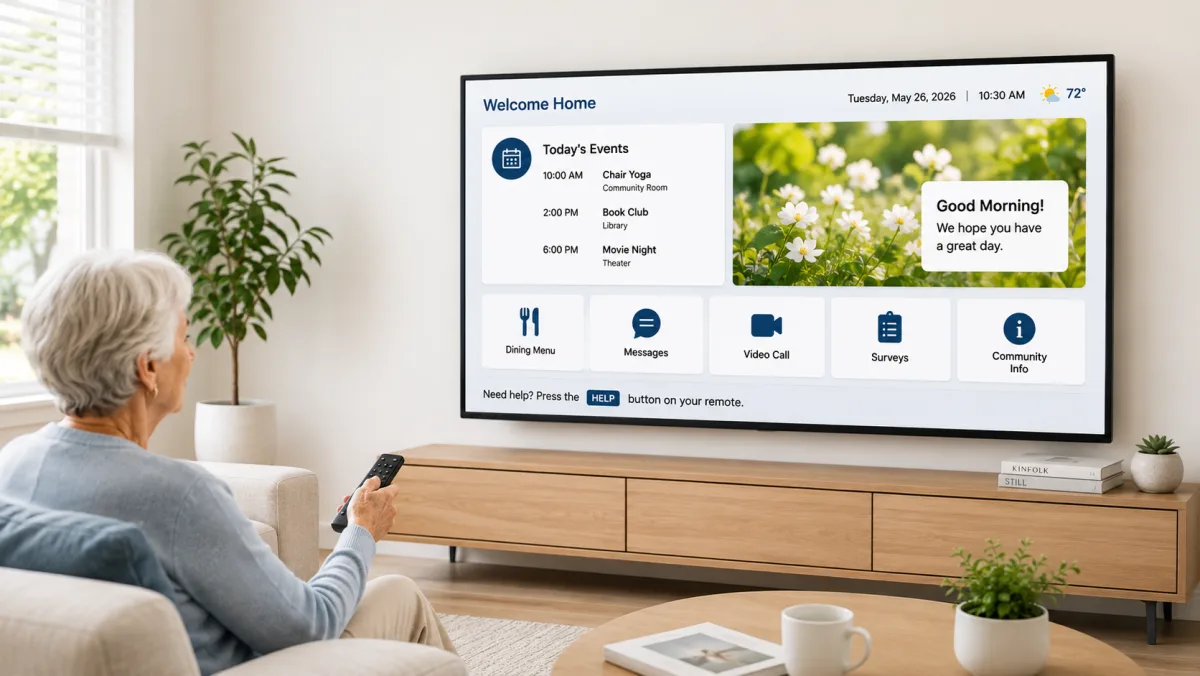
How Television-Based Engagement Expands Access for Older Adults
A resident cannot benefit from a digital service that remains difficult to find or operate. Television-based engagement addresses this access problem by placing information and selected services on a screen many older adults already use.
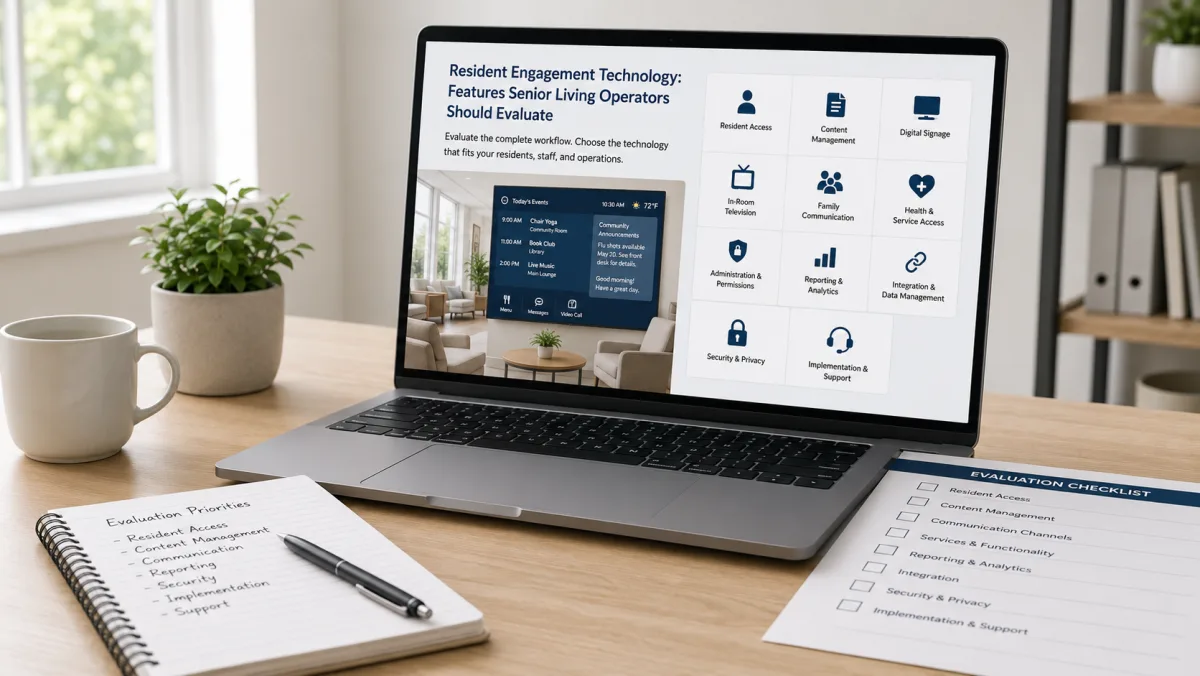
Resident Engagement Technology: Features Senior Living Operators Should Evaluate
Feature lists help create a shortlist. Workflow demonstrations reveal whether the product fits the organization. Use this checklist to evaluate resident engagement technology from access to support.
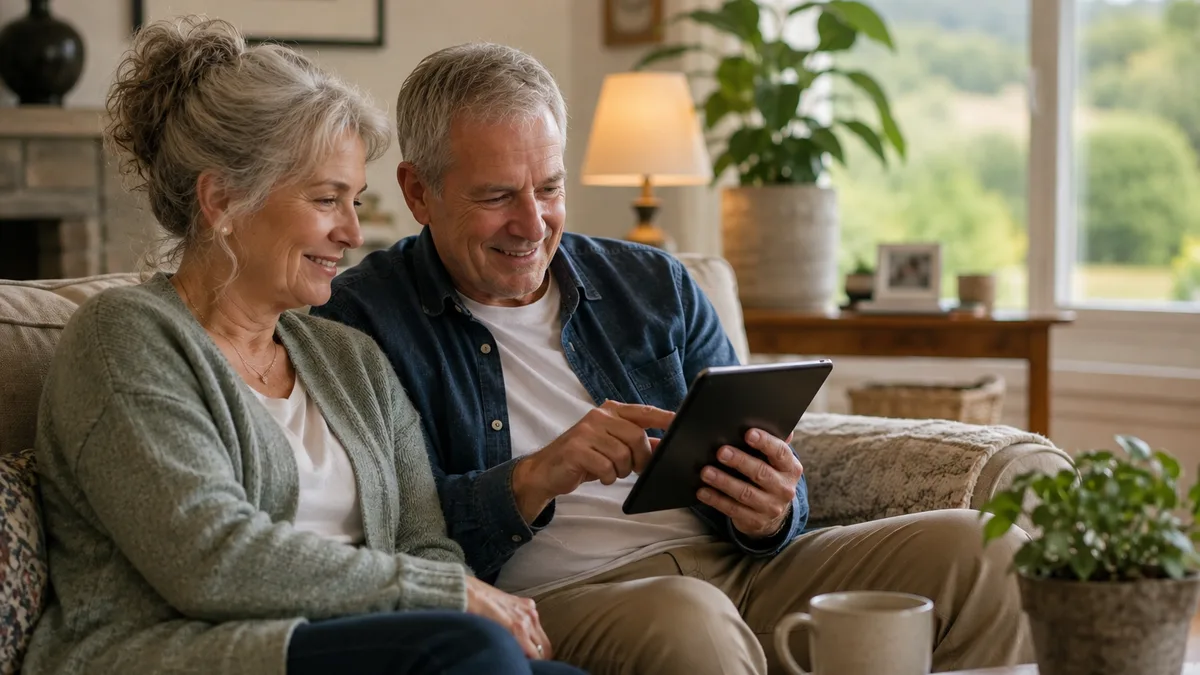
Connecting Rural Patients Between Clinical Encounters
Between-visit technology can help rural patients follow care plans, receive education, complete check-ins, share selected measurements, contact care teams, and involve family caregivers. The program must define who reviews information, who responds, and when the patient needs local or emergency care.
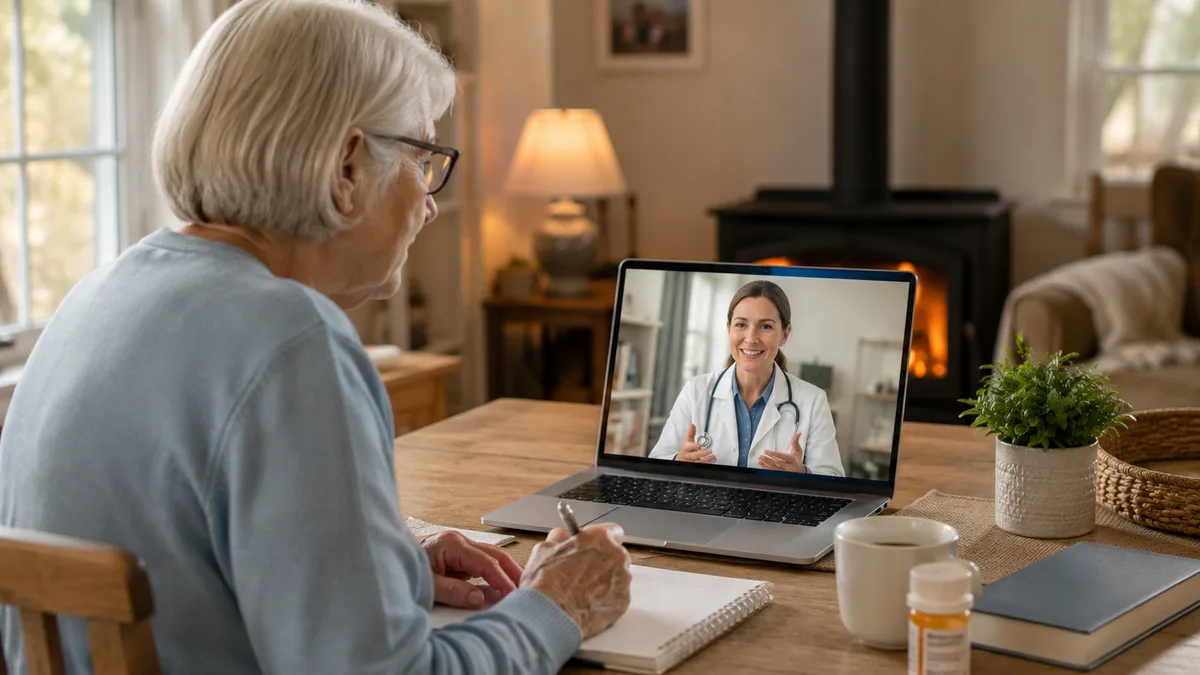
Telehealth in Rural Communities: Access and Adoption Requirements
Rural telehealth requires more than video software. A dependable program identifies which trips can be replaced, verifies patient-level connectivity, provides accessible endpoints, trains patients and staff, defines clinical escalation, supplies technical support, and measures whether access actually improved.
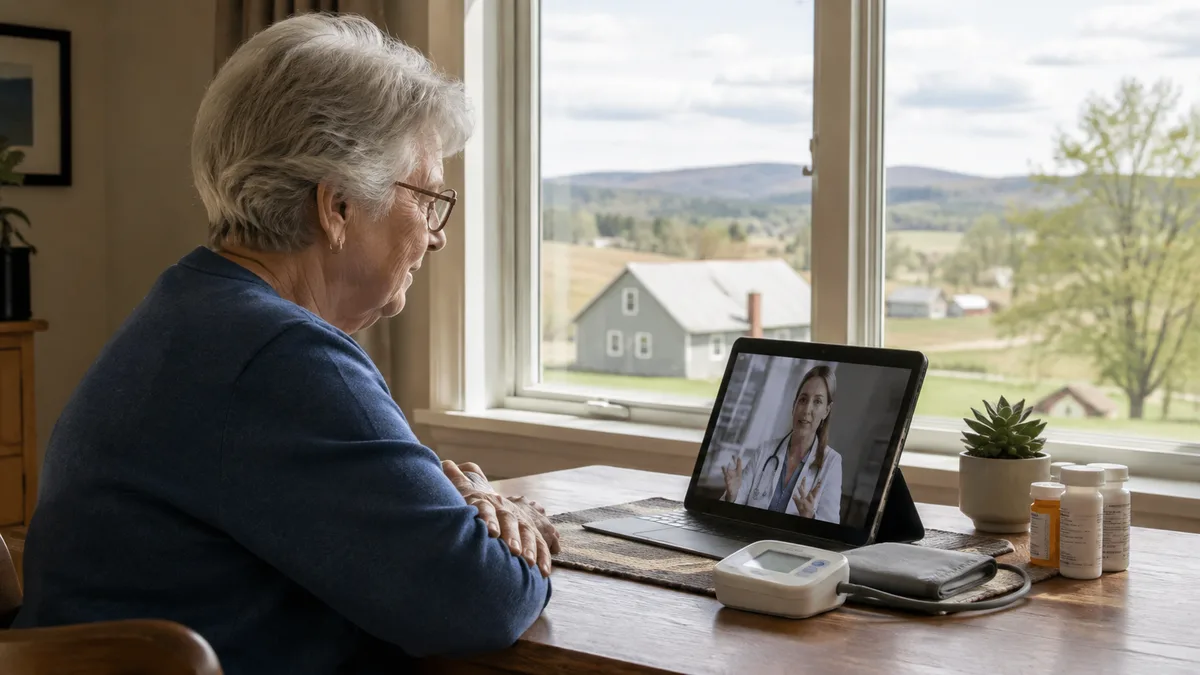
Rural Health Technology: Reducing the Distance Between Patients and Care
Rural health technology can reduce selected access barriers by connecting patients to virtual visits, monitoring, education, reminders, caregivers, and follow-up without requiring every interaction to involve long-distance travel.