Aging In Place Consumer Independent Living Tips Senior Health
Helping your parents take charge of aging and avoid isolation
Published: Updated:
As individuals age, most hope to retain the ability to make their own choices. Experts say that is possible — with the right planning. A new pilot program from the National Council on Aging is teaching people to master aging, with a significant focus on gaining the motivation to avoid isolation.

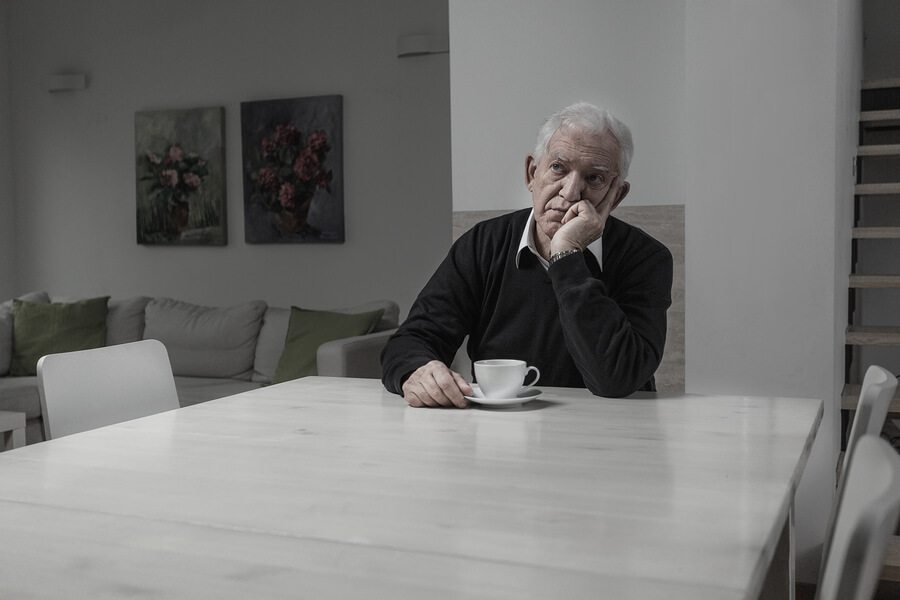
The effects of isolation on seniors
The U.S. Census Bureau reports that in 2010, about 11 million people — 28 percent of those over age 65 — lived alone. Living alone does not automatically lead to isolation, as A Place For Mom notes, but it is a factor that contributes to isolation and loneliness. Lack of mobility, retirement and the death of friends and loved ones can decrease social contact as people age. And the results can be devastating. Loneliness and social isolation both are associated with an increased risk of mortality in people over age 52, according to a 2012 study in the Proceedings of the National Academy of Sciences. Feelings of isolation also can negatively impact both physical and mental health in seniors.