From the Team
Independa Blog
Page 26 of 30

How telecare can help you balance two primary goals
Incorporating telecare services like Independa's Caregiver Web App and Angela interface can help accomplish both of these goals in one fell swoop.
Three ways that technology can support offsite caregivers
For care managers overseeing staff who tend to multiple care recipients in their homes, maintaining continual contact and ensuring theses caregivers have the support they need can be a constant struggle - one that can often drains time and resources.

How telecare can promote dignity and quality of life for care recipients
Advancements in this area, such as Independa's innovative eldercare technology, can help older Americans feel more empowered, enabling them to play a more active role in their own care.
How to increase your census by leveraging the television
In this historically overburdened industry, the promise of continual monitoring and increased connectivity that Independa's Angela interface can provide are two selling points that can make your services particularly enticing to older Americans and their loved ones.

Offer your care recipients a smooth transition with telecare
By harnessing telecare innovation, you can not only offer independence and peace of mind thanks to remote monitoring, medical reminders and other CloudCare services.
Making new technology easy for care recipients
For care managers, finding the means to introduce new technologies in a way that is simple, straightforward and even somewhat familiar is poised to play a large part in accommodating a growing elderly population.
Why technology doesn't tend to get adopted
Though advancements like remote monitoring could substantially benefit care managers by enabling them to track multiple recipients, these professionals may have reservations about incorporating this technology.
Scottish government features telecare in independent living initiative
This week, a Scottish official elaborated on a government initiative that prioritizes independent living aided by technological advancements.
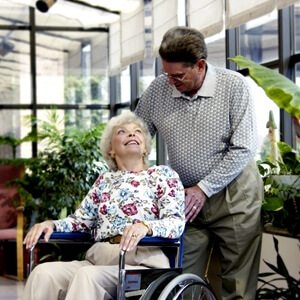
European physician touts benefits of "telerehabilitation" at annual meeting
Dr. Ewa Piotrowicz of the Institute of Cardiology in Warsaw, Poland, described how telehealth services had improved compliance among patients who were being treated for cardiac issues.
Overcoming this common independent living concern through technology
One concern that family members may have about this arrangement is that their loved one's condition could worsen over time and they may not have access to the assistance they need.

Do You Recognize the 6 Early Warning Signs of Care Manager Meltdown?
It is essential for eldercare professionals to be able to identify warning signs of a meltdown before these pressures threaten a their health and impair the quality of care they provide.

Did you know aging in place is more viable than ever for today's elderly community?
Thanks to advancements in telecare, it is possible for care managers to oversee larger numbers of home-based care recipients without overextending their resources or placing too great a burden on caregivers.
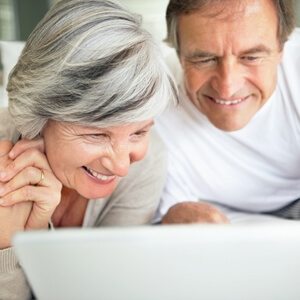
Introducing Technology to Seniors: The Three Essential Elements You Should Focus On
When introducing new technology to older care recipients, you can preempt common obstacles and misconceptions by focusing on these key points.
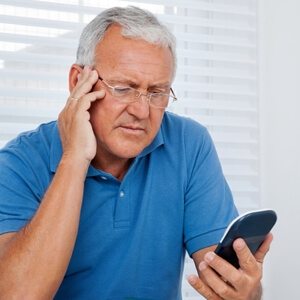
The one mistake most eldercare facilities make
There is one widely held misconception that may keep many care managers from truly making the most of their resources.
Independa, Inc. Wins San Diego Business Journal's 2013 Innovation Award
Independa, Inc., a leader in technology-enabled independent living, today announced it received the prestigious 2013 Innovation Award by the San Diego Business Journal in the Mobile Device category. The Innovation Awards recognize the breakthrough technologies and unique products and services developed by San Diego companies in a broad spectrum of industries.